Applications

LPMS Machine: KAPPA 1000H

LPMS® machines are specifically designed for low-pressure molding, which is ideal for encapsulating sensitive components such as automotive electronics, PCBAs, coils, fiber optics, LED lighting, and cables. This process helps protect components from moisture, vibration, and mechanical stress while maintaining their functionality.

For technical support and more information on LPMS® machines, you can contact Avantek:

For technical support and more information on LPMS® low-pressure molding machines, please contact Avantek:

📧 Email: info@avantek.vn
📞 Tel 1: (+84) 889 901 929

📞 Tel 2: (+84) 944 415 762

Low Pressure Molding (LPM), also known as Low Pressure Injection Molding, is a process used to mold and protect electronic components such as printed circuit boards (PCBs), sensors, and connectors from vibrations, shocks, and harsh environments. The LPM process utilizes melted plastic material, injected into a mold cavity at relatively low pressures (1.5 to 40 bar or 21.8 to 580 psi), making it ideal for sensitive electronics.

1. Low Pressure Molding Process

Compared to traditional injection molding or potting, Low Pressure Molding simplifies the manufacturing process into three key steps:

Step 1: Insert

  • The electronic components or parts to be encapsulated are inserted into the mold cavity.
  • This step typically takes 5-10 seconds.

Step 2: Overmolding

  • The LPM machine injects melted material into the mold at low pressure.
  • The material flows around and encapsulates the components.
  • The process takes 15-60 seconds.

Step 3: Cooling and Ejection

  • The molded part cools and solidifies.
  • Once cooled, the part is ejected and immediately ready for handling and testing.

2. Applications of Low Pressure Molding

As electronic components become more compact and powerful, encapsulation technologies like LPM play a crucial role in ensuring durability. LPM has become a widely adopted manufacturing technique across multiple industries.

Automotive Industry

LPM is used in manufacturing:

  • Sensors
  • Wiring harnesses
  • Micro switches
  • Interior components

LPM’s ability to mold complex shapes and large parts makes it an ideal choice for automotive components.

Electronics

LPM is particularly suited for delicate electronic components such as:

  • PCBs
  • Sensors
  • Connectors
  • Cables

The low pressure minimizes the risk of damage during encapsulation, ensuring reliable and high-quality products.

Medical Devices

LPM is widely used in medical applications due to its ability to create complex, precise, and biocompatible components. Common applications include:

  • Medical electronics
  • Diagnostic devices
  • Medical catheter sealing

Custom Goods

LPM’s versatility allows for the production of intricate details and large-scale components, making it a preferred method in consumer goods industries such as:

  • Toys
  • Household items
  • Home appliances
Specification KAPPA 1000H
Machine Size (mm) 970 × 970 × 2050
Machine Size (inches) 38.18 × 38.18 × 80.70
Weight 882 lbs
Electricity 200–240 VAC, 1 Phase, 50/60 Hz
Air Pressure 0.5–6.0 MPa (73 psi)
Air Volume 3.5 ft³/min (0.1 m³/min)
Autofeed
Clamping Method Pneumatic over hydraulic
Clamping Force 5 Tons
Clamping Stroke 150 mm (5.90 in)
Max. Mold Size (mm) 229 × 120 × 150
Max. Mold Size (inches) 9.00 × 4.72 × 5.91
Nozzle LPMS-G10
Standard Safety Features Two-hand actuation, E-stop button, Light curtain, Side safety doors
Melt Tank Quantity / Volume One external, 7L
Temperature Control Zones 3

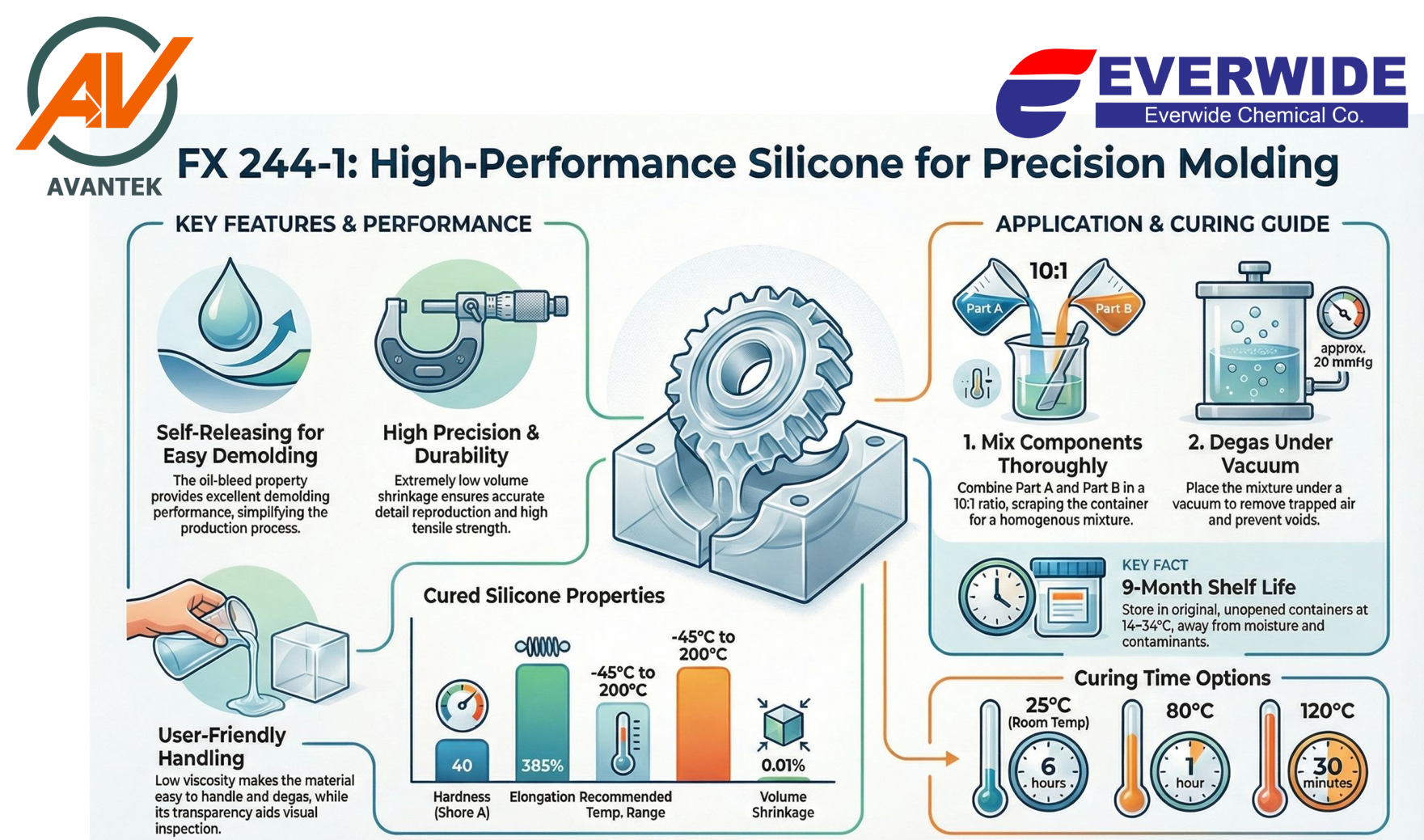
Everwide FX244-1: High Performance for Precision Molding

FX244-1 A specialized two-part silicone rubber designed for creating high-precision molds. This material features a unique oil-bleeding property that creates a self-releasing surface, eliminating the need for external non-stick sprays during demolding.

RELATED PRODUCT

Contact Technical Support

Leave your information or contact via Hotline, our Customer Support Technical team will contact you immediately! 

(+84) 944 415 762

(+84) 889 901 929

Our operators are ready to assist from 8:30 AM to 5:30 PM (GMT+7).
For requests outside of the above hours, please submit the request form.