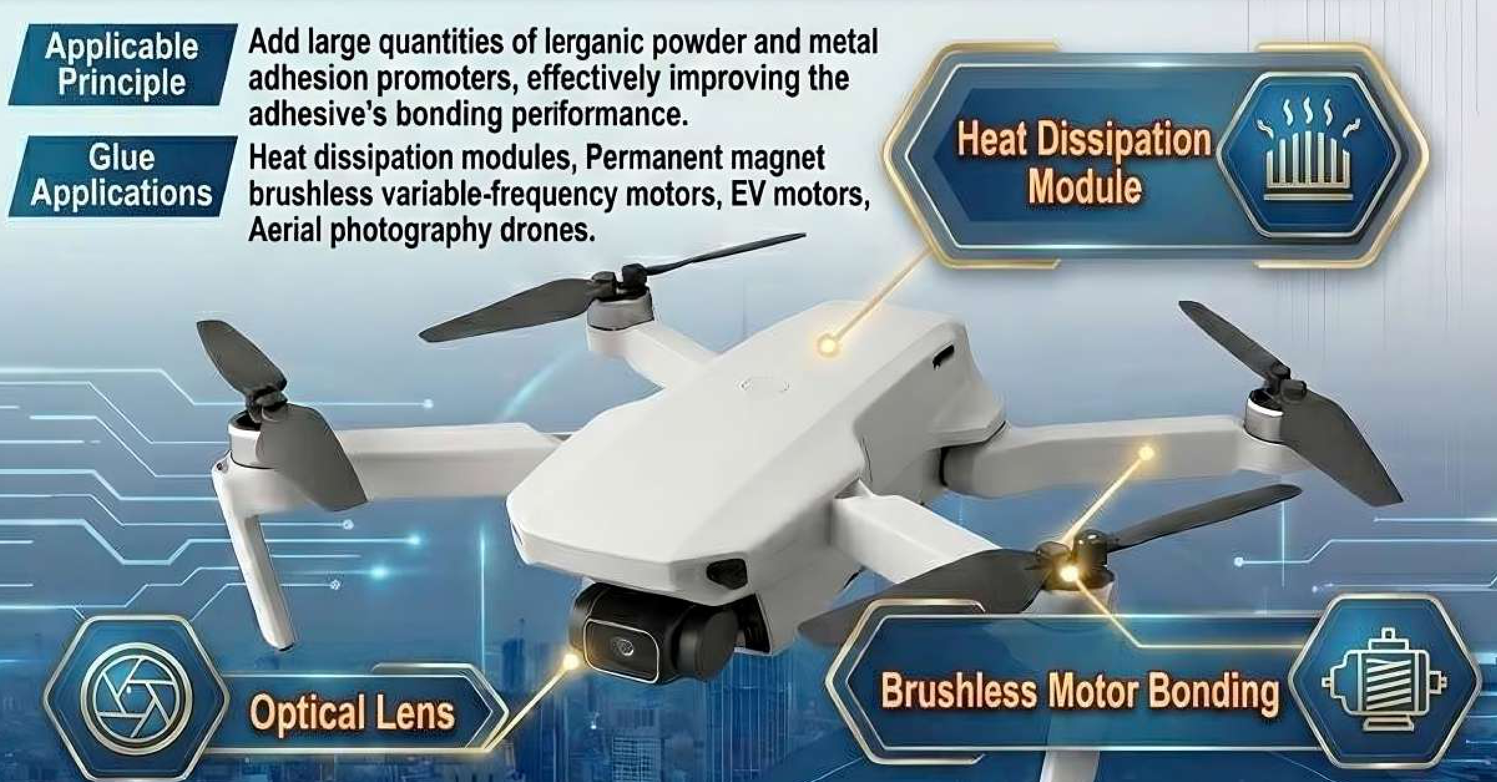
High Performance Epoxy for Drone Manufacturing
Advanced Epoxy Adhesive Solutions for Next-Generation UAVs and Drones As UAV and drone technology continues to evolve, manufacturers require adhesive solutions that can withstand demanding

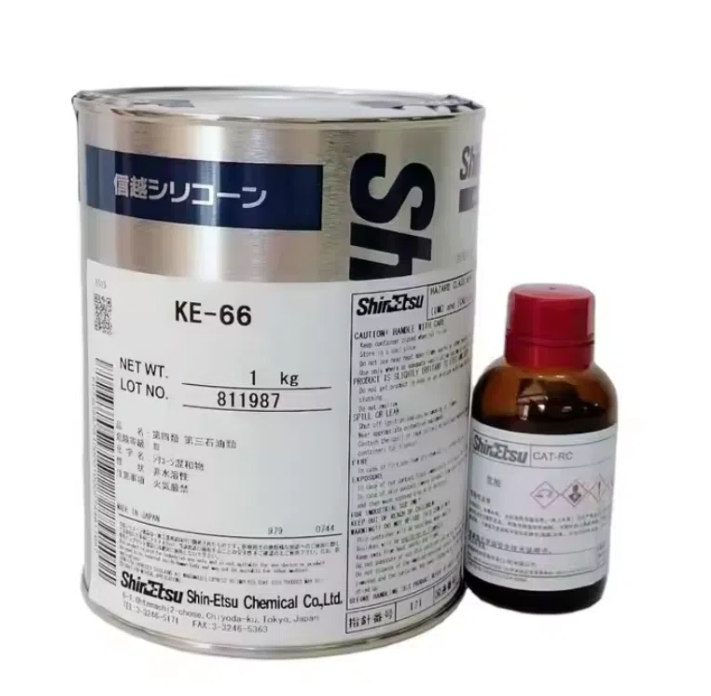
Advanced Epoxy Adhesive Solutions for Next-Generation UAVs and Drones As UAV and drone technology continues to evolve, manufacturers require adhesive solutions that can withstand demanding
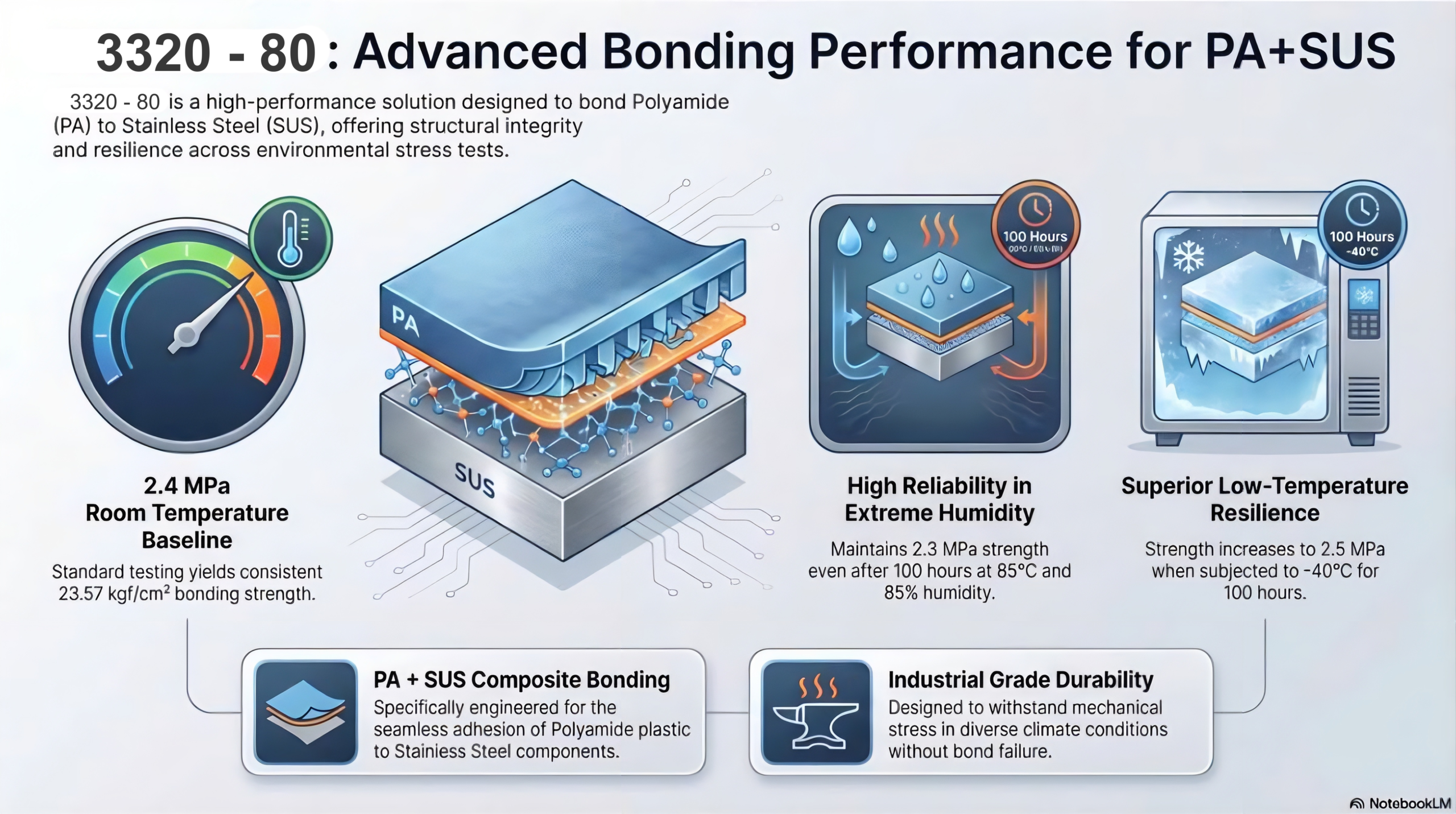
Stronger Bonding. Cleaner Process. Reliable Performance. If you are looking for an adhesive that combines high adhesion strength, flexibility, and electronic safety, 3320-80 is the

Everwide FX219G5 Silicone Potting Compound – high-thermal, UL94 V-0 silicone potting for electronic modules. Compare with Shin-Etsu KET-132 silicone potting.
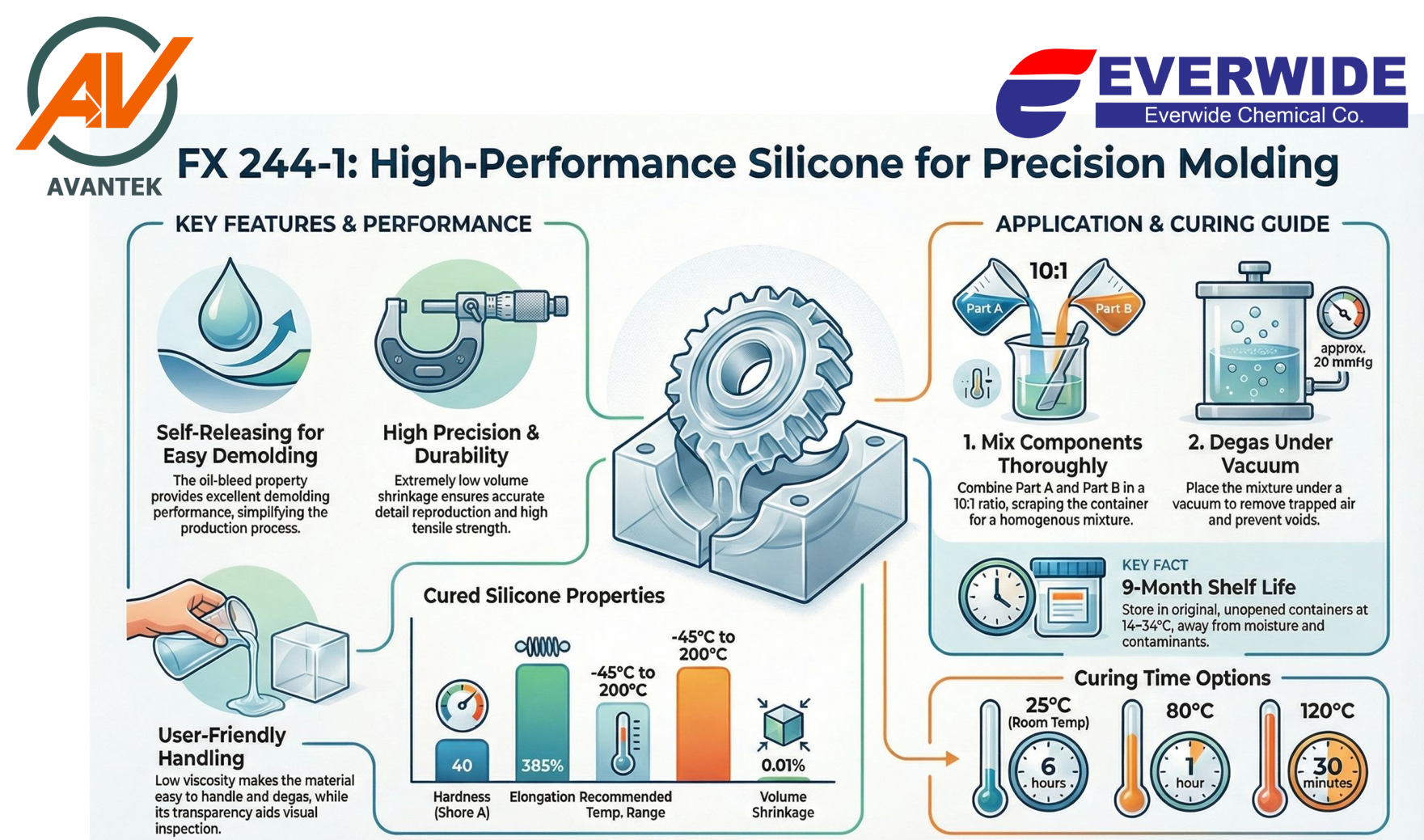
FX244-1 A specialized two-part silicone rubber designed for creating high-precision molds. This material features a unique oil-bleeding property that creates a self-releasing surface, eliminating the need for external non-stick sprays during demolding.


